 based on over
 A Homeowner’s Guide to Understanding Energy Window Ratings
When you start looking for replacement windows, the terminology can often feel like a foreign language. You are likely to see various labels, grades, and technical specs, but the most important metric for your wallet and your comfort is the window energy rating.
At Albany Windows, we have been helping homeowners across Gloucestershire navigate these specifications since 1999. With over 70 years of combined experience among our directors, Peter and David, we know that understanding these ratings is the first step toward making an informed decision for your property.
Decoding energy window ratings
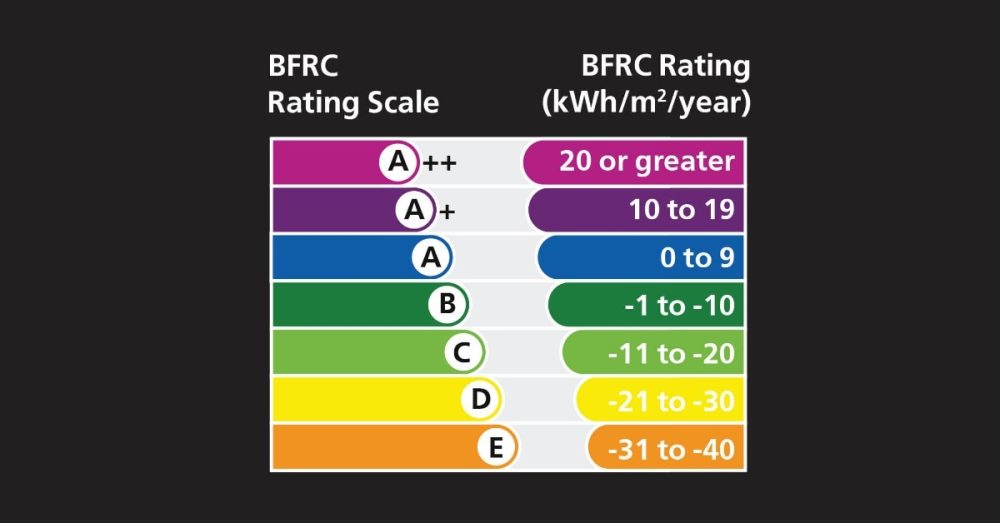
Think of energy window ratings as the performance label on a household appliance. Just as your fridge or washing machine has an efficiency grade, so too does your glazing. In the UK, we use the British Fenestration Rating Council (BFRC) system to classify how well a window performs. This rating system takes into account three main factors: thermal insulation, solar gain, and air leakage. Essentially, it tells you whether the window will keep your home warm and prevent heat from escaping.
How to read the label
You will typically see a scale ranging from A++ to E. An ‘A++’ rating signifies the most efficient windows, designed to keep the maximum amount of heat inside your home. The label provides a clear visual indicator, usually colour-coded from green (efficient) to red (inefficient). While international standards like the National Fenestration Rating Council are common in other markets, here in the UK, we focus on the BFRC scheme to help you identify which products offer the best thermal performance for our specific climate.
The science of thermal efficiency
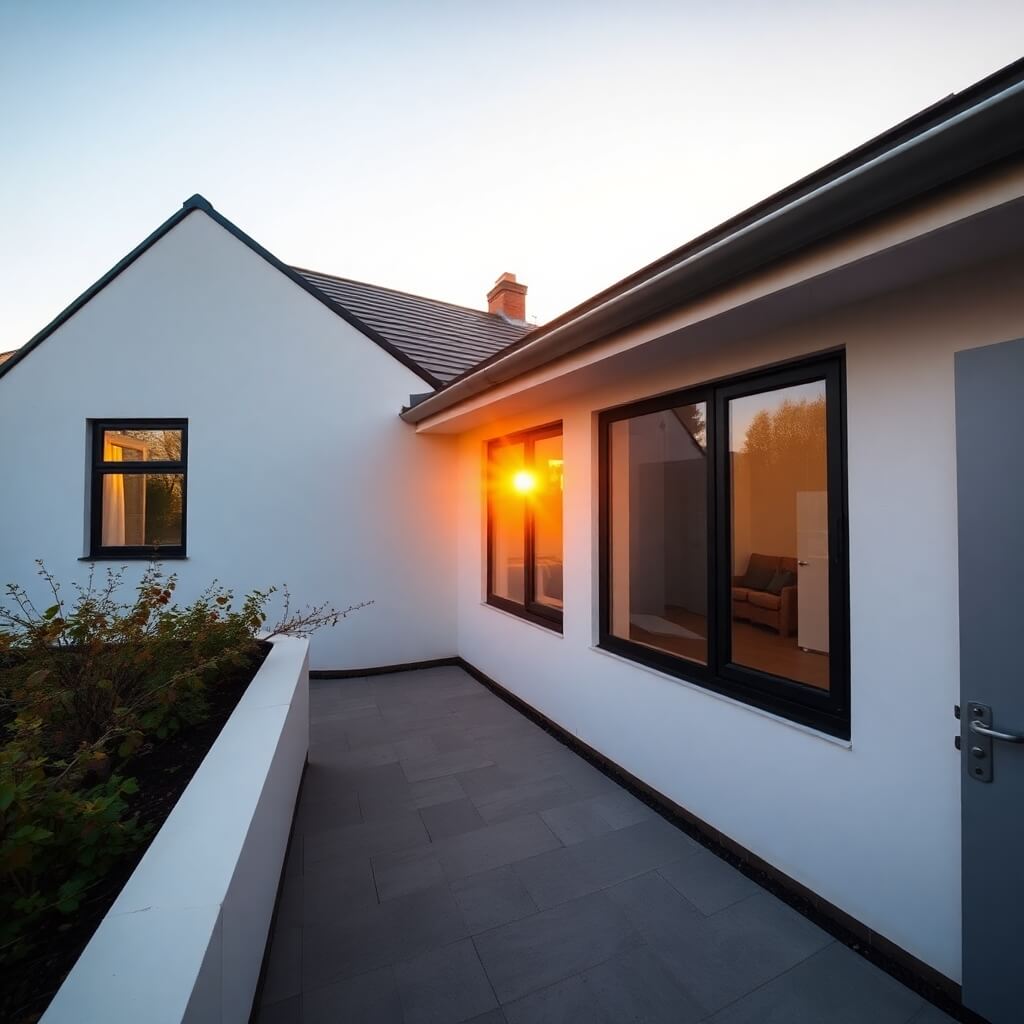
To understand why these ratings matter, you have to look at the physics of your home. Your windows are a primary source of heat loss during the winter. A high-performing window works by minimising the escape of warmth while managing solar heat gain.
This involves several technical factors:
- U-value: This measures how well the window insulates. The lower the number, the better the insulation.
- Solar Heat Gain Coefficient (SHGC): This refers to how much solar energy enters through the glass. In winter, this can be beneficial, but in summer, it may cause overheating.
- Visible Transmittance: This measures how much natural light comes through.
- Air Leakage: This tracks how much air passes through the seals. High-quality new windows should have minimal air leakage to prevent draughts.
- Condensation Resistance: This indicates how well the frame and glass resist moisture buildup, protecting your interior from mould and damp.
Keeping warm and lowering bills
The primary benefit of choosing high-rated glazing is the direct impact on your energy bills. When you install windows with excellent energy performance, your heating system does not need to work as hard to maintain a comfortable temperature.
By reducing the amount of heat escaping through your frames, you are not just saving money; you are reducing your carbon footprint. Many homeowners find that upgrading their glazing is one of the most effective ways to make a tangible difference to their home’s internal climate, creating a much more stable and comfortable environment throughout the year.
Comparing different systems
While it is tempting to look only at the U-value, it is important to consider the overall window energy ratings. Some windows might have a very low U-value but poor solar heat gain performance, meaning they are less effective at capturing free heat from the sun. The BFRC system is valuable because it balances these factors, giving you a ‘net’ score for the window’s total impact on your home’s energy needs.
Selecting the right windows for your home
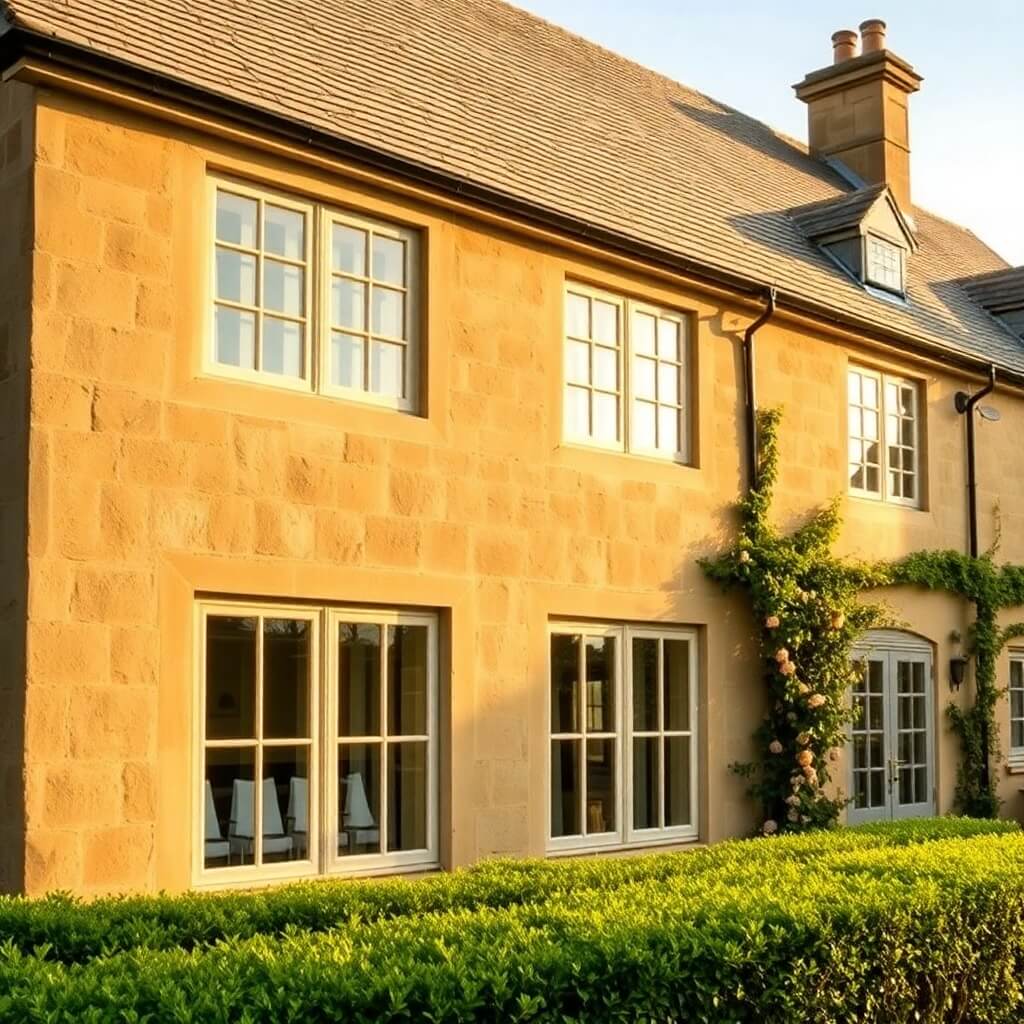
Choosing the right windows is a decision that also requires a bit of context, as it can depend on a few factors. A south-facing window with high solar gain might be excellent in a living room but problematic in a bedroom if it causes the space to overheat in the summer. Our team of experienced installers and advisors at Albany can help you assess your home’s orientation and specific needs to ensure you get the best balance of light, warmth, and efficiency.
Investing in sustainability
Sustainability is a long-term commitment. By opting for high-efficiency glazing now, you are future-proofing your property. A high-rated window is a quality product, usually featuring robust seals and high-specification glass, which will serve your home for decades. Whether you are looking for simple repairs or a complete home improvement project, Albany is here to provide the expertise and specialist installation services you need. We take pride in our work, from supplying local builders to private residential customers, ensuring every job is finished to the highest standard.
Ready to explore your options?
If you have questions about which energy ratings are best for your home or would like to discuss your next project, our team is ready to help.
Opening Hours: Mon – Fri: 9am to 5:00pm Saturday: 9am to 12:30pm
Contact Tel: 01242 511384
Email: sales@albanywindows.co.uk
Website contact form