 based on over
 What are uPVC windows and why choose them?
If you’ve started researching replacement windows, you’ve probably come across the term uPVC. It’s one of the most popular materials used for modern window frames in the UK, but what makes it such a common choice for homeowners?
uPVC has become a popular choice for UK homes because it offers a combination of energy efficiency, low maintenance and durability, while being available in a wide range of styles and colours.
In this guide, we’ll explain what uPVC windows are, how they’re made and the benefits they can offer, as well as looking at their lifespan, maintenance requirements and recyclability.
What are uPVC windows?
uPVC stands for unplasticised polyvinyl chloride. It is a rigid form of PVC that does not contain added plasticisers, making it suitable for applications where strength and stability are important.
Unlike flexible PVC products, uPVC is designed to remain rigid and stable when used as a window frame. This makes it well suited to dealing with changing weather conditions, including exposure to rain, sunlight and temperature changes.
uPVC has been used for window frames in the UK for decades and has become a long-established alternative to traditional timber windows. Its durability, low-maintenance requirements and thermal performance have helped make it a popular choice for replacement windows.
How are uPVC window frames made?
uPVC window frames are manufactured using an extrusion process. The uPVC material is heated and pushed through a shaped die to create long profiles with multiple internal chambers.
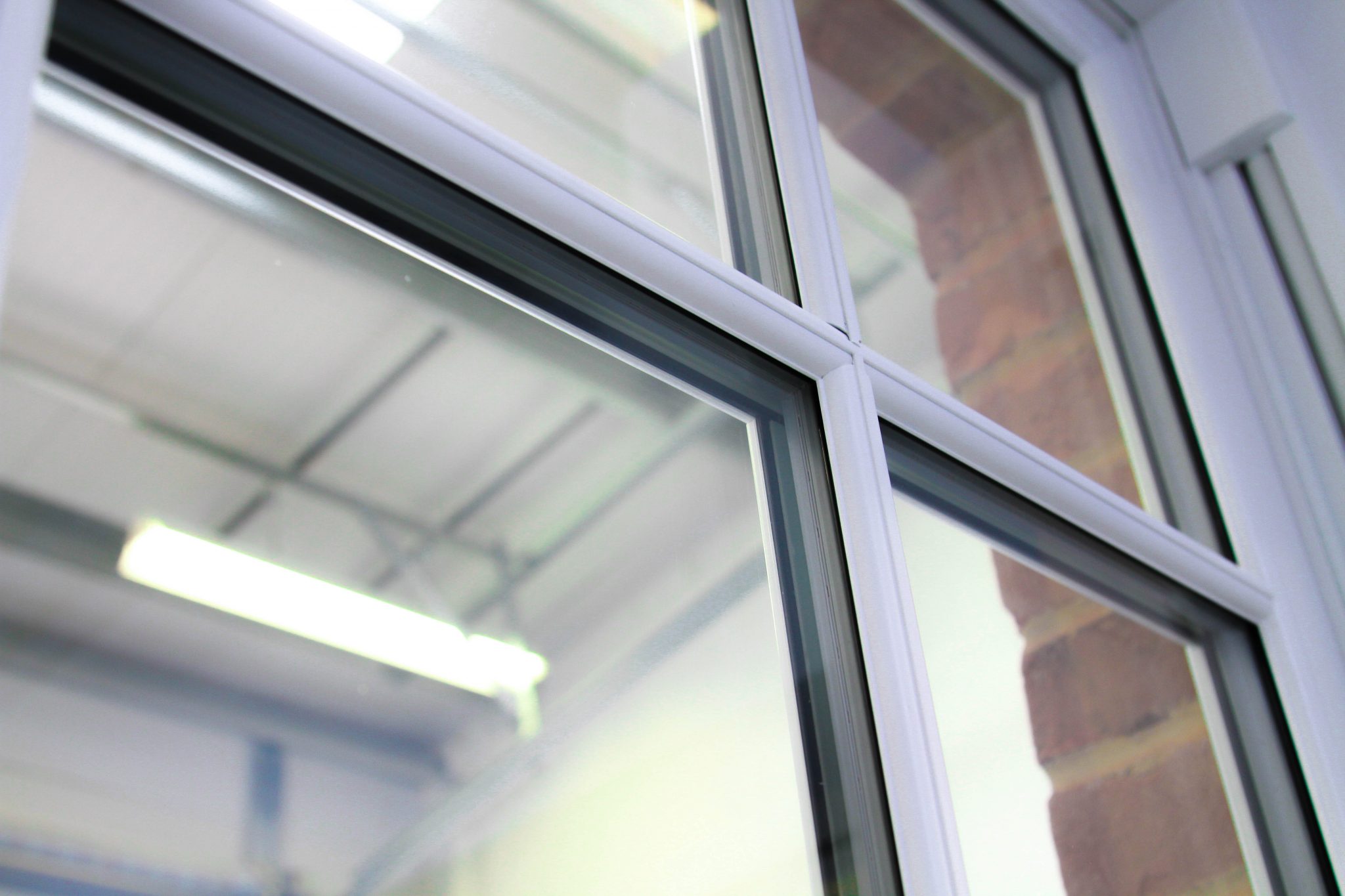
These chambers are an important part of the frame’s design. They create additional barriers within the profile, helping to reduce the transfer of heat through the frame. Depending on the window system, reinforcement can also be incorporated into the profile to provide additional strength where required.
The finished profiles are then cut to size and fabricated into individual window frames before the glazing, hardware and other components are added.
This combination of engineered profiles, glazing and hardware turns the basic uPVC material into a complete window system.
What are the benefits of uPVC windows?
There’s a reason uPVC remains such a popular material for replacement windows. Its combination of performance, appearance and relatively low maintenance makes it suitable for a wide variety of homes.
Some of the main benefits include:
- Energy efficiency – uPVC frames can provide a good level of thermal insulation, particularly when combined with modern energy-efficient glazing.
- Low maintenance – unlike wooden windows, uPVC does not need regular painting or staining. A simple clean can usually keep the frames looking their best.
- Durability – quality uPVC materials are resistant to issues such as warping and discolouration, helping windows maintain their appearance over time.
- Choice of styles – modern uPVC windows are available in various styles, colours and finishes.
- Glazing options – uPVC windows can be combined with double glazing or triple glazing depending on the required level of thermal and acoustic performance.
- Noise reduction – the right combination of uPVC frames and glazing can help reduce external noise and make the home more comfortable.
- Security – modern uPVC windows can incorporate effective locking mechanisms and internal beading to provide resistance to forced entry.
For homeowners comparing different window frame materials, these practical benefits can make uPVC an appealing option, particularly if you want windows that combine energy efficiency with minimal maintenance.
What types of uPVC windows are available?
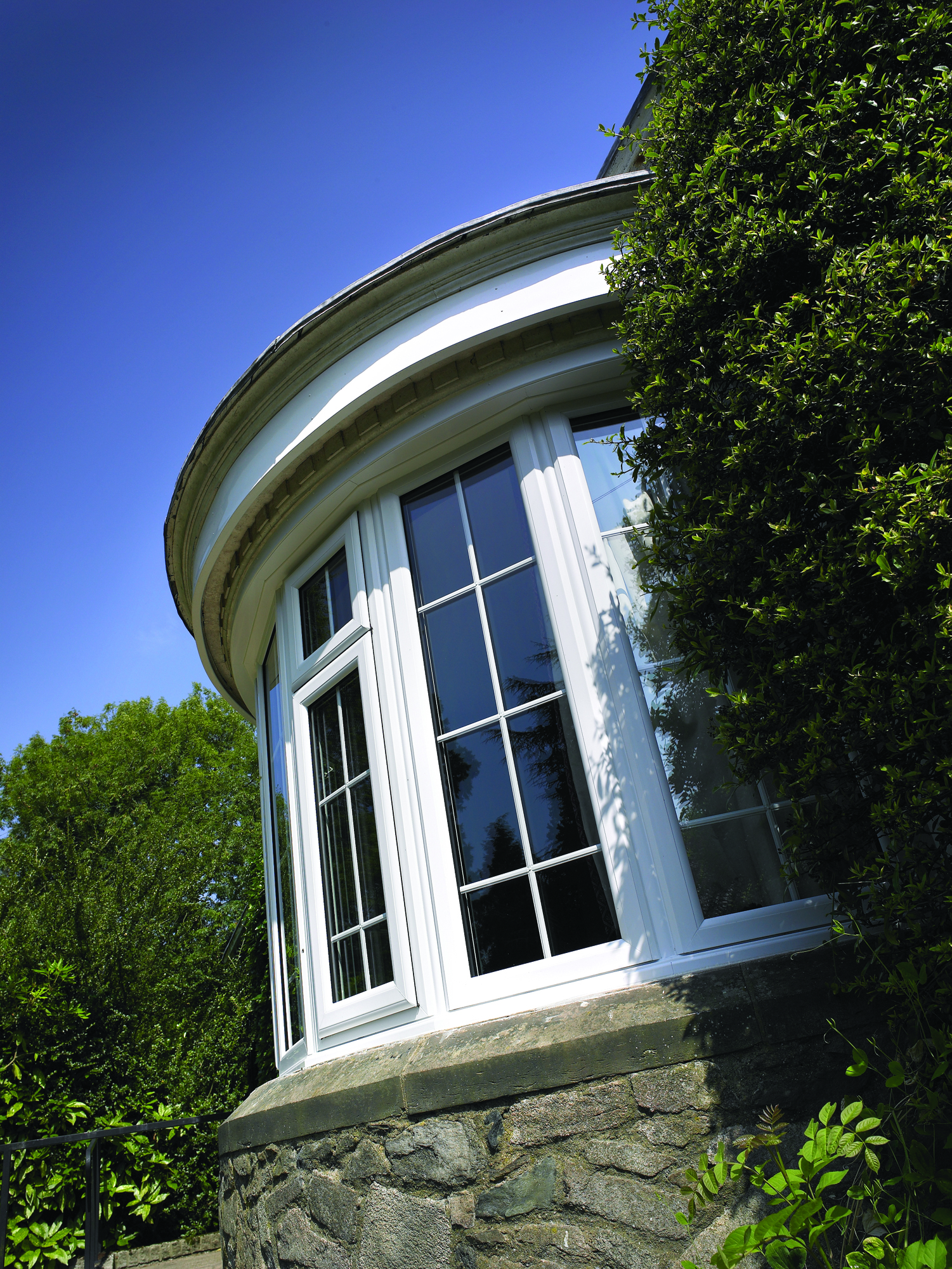
Choosing uPVC does not mean being restricted to one particular appearance. Modern systems are available in a wide range of styles, allowing homeowners to choose windows that complement both contemporary and more traditional properties.
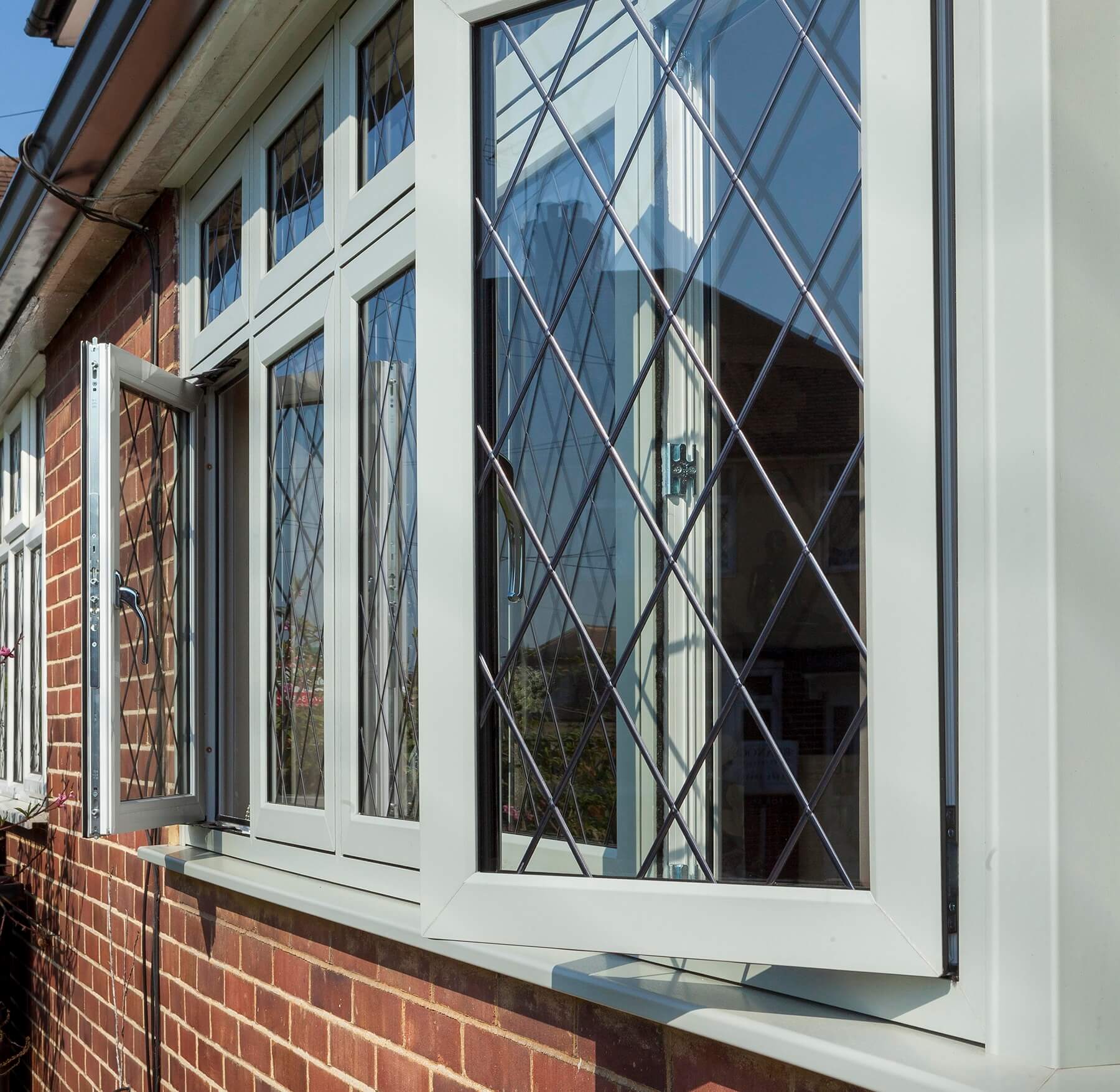
- uPVC casement windows – one of the most popular window styles, with opening sashes hinged at the side or top. Our casement windows are available in a variety of designs.
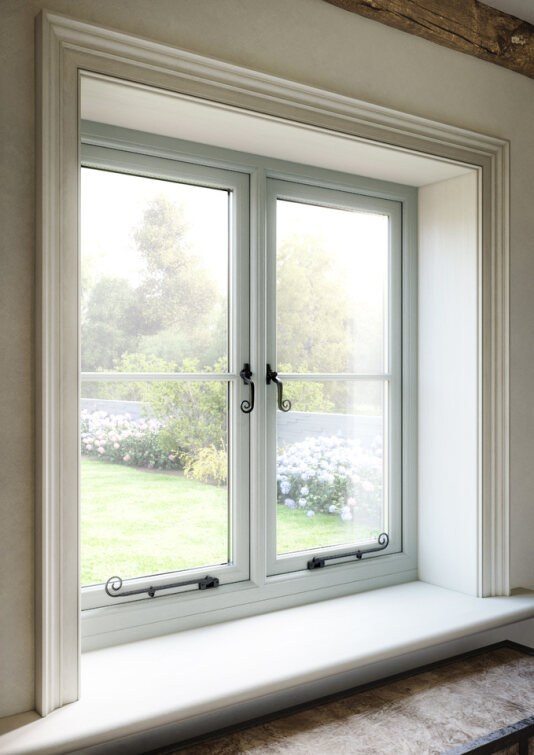
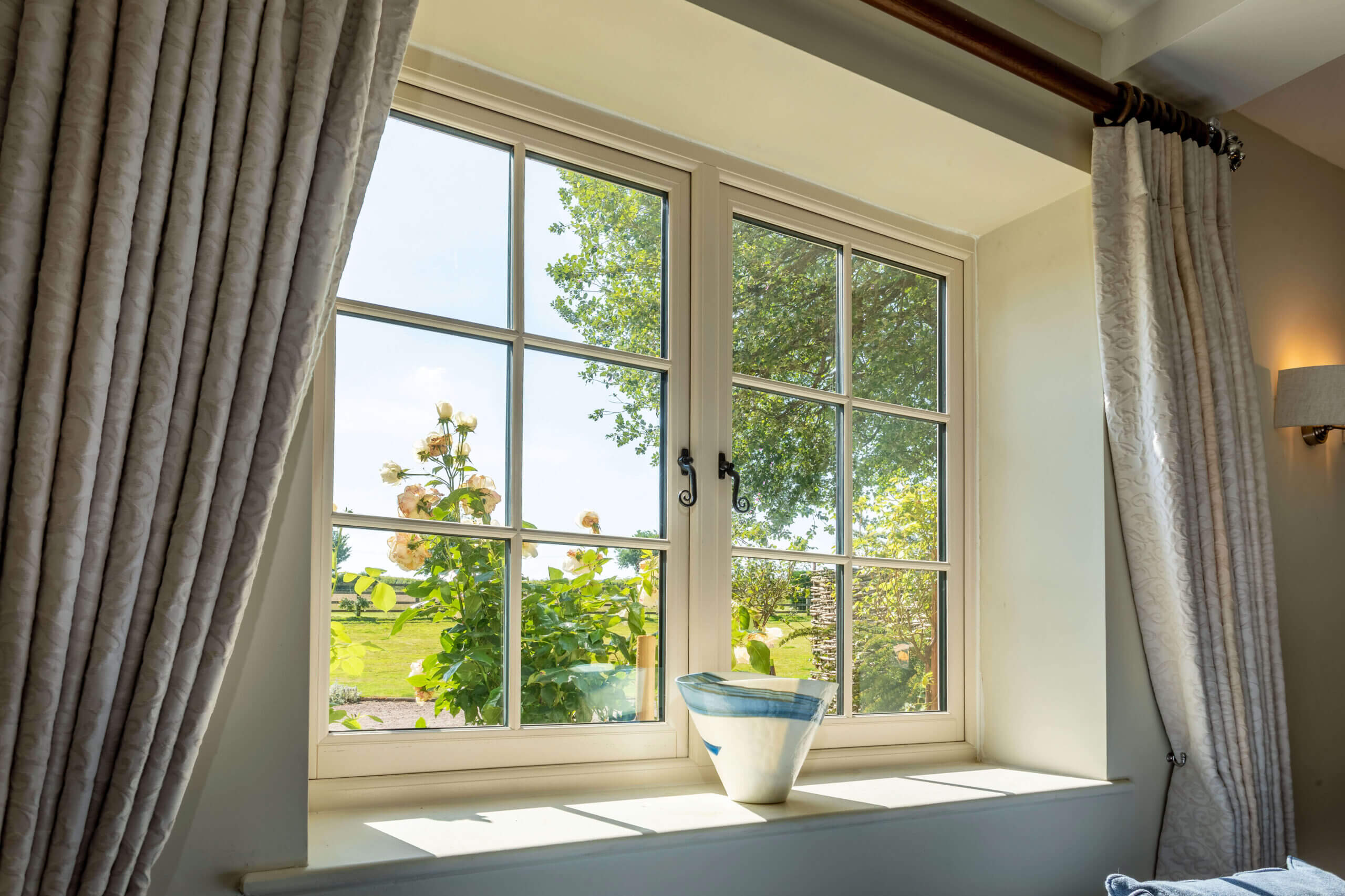
- Flush casement windows – create a cleaner, more traditional appearance and can be particularly suitable for older properties.
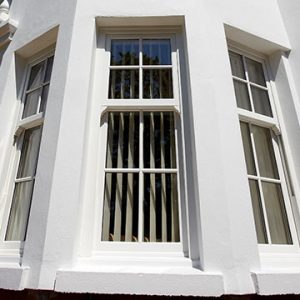
- uPVC sliding sash windows – designed to provide the appearance of traditional sliding sash windows while offering the benefits of modern glazing and uPVC construction.
- Tilt and turn windows – a versatile design that can open in different ways, providing ventilation and making cleaning easier from inside the property.
- Custom windows – bespoke shapes and designs can be used where a standard window does not suit the property’s requirements.
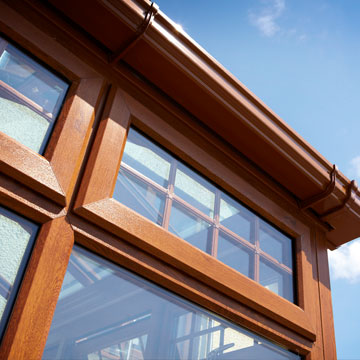
Albany also offers a wide variety of colours, designs and glass options, including heritage wood effects that resemble traditional timber windows. This can provide a more traditional appearance while retaining the low-maintenance characteristics of uPVC.
Are uPVC windows energy efficient?
Energy efficiency is one of the main reasons homeowners consider replacing older windows. Poorly performing windows can contribute to heat loss, particularly where the frames, seals or glazing have deteriorated over time.
Modern uPVC frames are designed with thermal performance in mind. Their multi-chambered construction helps reduce heat transfer through the frame, while the glazing specification also plays an important role in the overall performance of the finished window.
Our current uPVC range has U-values as low as 1.2 W/m²K. Double glazing is supplied as standard, with triple glazing also available. We also use energy-saving glass and argon-filled sealed units to help improve thermal performance.
The result can be a warmer, more comfortable home and potentially lower energy bills, although actual energy savings will depend on the complete window specification, installation and the property itself.
The level of insulation provided by the finished window is therefore important when comparing new windows. It’s not simply about choosing a frame material; the frame, glass and installation all contribute to the overall performance.
How long do uPVC windows last?
Quality matters when it comes to the expected lifespan of any window. The Building Research Establishment has given uPVC windows a Reference Service Life of at least 35 years. The British Plastics Federation also states that properly used and maintained PVC-U windows can be expected to last much longer.
The lifespan of a window is not determined by the frame alone. Glazing, seals, hinges, locks and other components can all affect how the window performs over time.
Proper installation is also important. A professional installer should make sure the window is correctly positioned, supported and sealed to help it perform as intended. Choosing an experienced and accredited installer can therefore provide additional peace of mind when investing in uPVC replacement windows.
Are uPVC windows easy to maintain?
One of the biggest attractions of uPVC is that it does not require the same level of regular maintenance as traditional wooden windows.
The frames do not need regular painting or staining, and routine cleaning can generally be carried out using warm water, a damp cloth and a suitable cleaning product.
This does not mean uPVC windows are completely maintenance-free. Hardware, seals and moving parts can still wear over time, so occasional checks and basic maintenance can help identify problems before they affect the window’s performance.
For homeowners who want the appearance of more traditional styles without the ongoing upkeep associated with some timber products, modern uPVC can offer a practical alternative.
Are uPVC windows recyclable?
Sustainability is another consideration for homeowners replacing their windows. uPVC is a recyclable building material, and old PVC-U window frames can be collected and processed for use in new products.
The British Plastics Federation explains that PVC can be mechanically recycled and that this includes old PVC products such as doors and windows that have reached the end of their working life. Recycled PVC can then be incorporated into further long-life products, including window profiles.
This means replacing an old uPVC window does not necessarily mean the frame has to go straight to landfill. Recycling schemes can recover the material and give it another use at the end of its working life.
uPVC versus other window materials
uPVC is not the only option available. Aluminium windows can offer slim frames and a contemporary appearance, making them particularly attractive for homeowners looking for a more modern aesthetic.
Albany’s aluminium range uses high-quality aluminium profiles with thermal breaks and is available in casement, sash and tilt and turn styles. Aluminium is also naturally resistant to corrosion and can provide a long working lifespan with relatively low maintenance.
Wooden windows can also be a suitable choice, particularly where maintaining the character of a traditional property is important. However, timber generally requires more regular maintenance than uPVC.
Ultimately, there is no single window material that is the perfect choice for every property. The right option depends on factors such as the style of your home, your budget, desired level of maintenance, thermal requirements and personal preference.
Why choose uPVC windows?
For many homeowners, the appeal of uPVC comes down to its balance of practical benefits. It can provide good thermal performance, requires relatively little maintenance and is available in various styles and finishes.
New uPVC windows can also be specified with energy-efficient double glazing or triple glazing, allowing homeowners to improve the performance of older windows while choosing a design that suits their property.
If you’re replacing older windows, it is worth considering the complete specification rather than simply choosing a material. The quality of the frame, glazing, hardware and window installation can all influence how well your new windows perform.
Taking the time to understand the benefits of uPVC windows, compare the alternatives and consider your property’s requirements can help you make a more informed decision.
Ready to explore your options?
If you’re considering replacement windows for your home, Albany Windows can help you explore the different styles, colours and glazing options available.
You can read our guide to replacing your windows for more information about the replacement process, or arrange an appointment to discuss your requirements with our team.
Book an appointment or request a free quote with Albany Windows to start exploring your options.