 based on over
 Condensation in your double glazing? Use a hair dryer and other smart home hacks
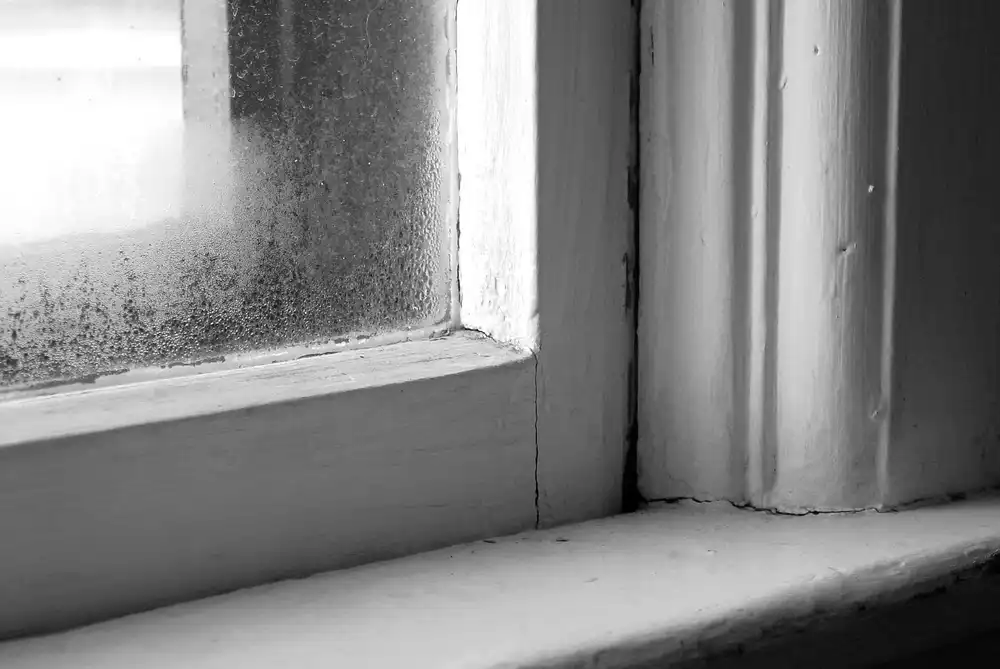
Condensation inside double glazing is a common problem, especially during the colder months. In many cases, condensation on the surface of your windows is caused by excess moisture in the home, but condensation between window panes can point to a problem with the sealed glazing unit.
In this guide, we explain why condensation forms, how to reduce it and what to do if moisture appears between the panes of your double glazed windows.
Why do I get condensation on the inside of my double glazing?
Windows misted up and water running down them every morning? You might be surprised to hear that condensation in your double glazing can actually be a good thing.
Having condensation on the inside of your windows and the outside means that your windows are working by preventing draughts. This, therefore, helps with keeping the cold out and the warmth in.

A person wipes condensation from a misted-up single-glazed window, showing the effects of poor insulation and excess indoor humidity.
How to get rid of condensation on windows
Condensation will evaporate over time but if you want to get rid of it quicker, here are some tips:
- Hairdryer – Using a hairdryer on condensation on the accessible surface of the glass can clear it more quickly, but it is only a temporary fix and will not solve the underlying cause. A hairdryer cannot permanently remove moisture trapped between double glazed window panes if the sealed unit has failed. Avoid applying heat if the glass is cracked or damaged.
- Ventilation – Ventilation is the key solution if the condensation is on the inside pane. Open windows when you can, especially after showering. Even just a few minutes in the morning will help air circulate.
- Extractor fans – Use an extractor fan in the kitchen when cooking and always put lids on saucepans to keep the steam in. Try to dry your clothes outside whenever possible. Use extraction fans in the bathroom after bathing and showering.
- Window dehumidifier – If high levels of humidity are a constant problem in your home, consider getting a window dehumidifier. You can get affordable dehumidifiers that last a few months which are filled with absorbent beads and soak up extra moisture.
- Remove water – When condensation does happen, make sure you remove any water that has dripped onto your window sill. If it is left, it can cause mould and damp, which can be bad for your health.
Additional ways to prevent condensation
- Improve ventilation: Keep furniture away from walls, open windows periodically, and use ceiling fans to circulate warm air toward glass panes.
- Reduce humidity: Dry clothes outside, use a dehumidifier and wipe surfaces dry after showering.
- Improve insulation: Upgrade to double-glazed windows with an air gap for better energy efficiency.
- Seal gaps: Check for draughts and seal any cracks around windows, doors, and walls.
- Repair gutters and roofing: Prevent leaks that could increase humidity inside the home.
What is condensation in double glazing?
 Condensation is caused by moisture in the air coming into contact with a cold surface, such as a windowpane. It can become more noticeable after upgrading to modern glazing. Previously, old single glazed windows let in draughts so the warm air was able to escape.
When the surface temperature of the window drops below the outdoor dew point temperature, condensation occurs on the outside. Condensation on the inside of your windows is most likely caused by high humidity in your home. This can be due to things such as cooking or showering – even breathing!
Why is condensation in my double glazing happening now?
As temperatures drop, it becomes more common to have condensation on the inside of your double glazed windows. As winter approaches, we naturally start heating our homes, enjoying lovely warm baths and resort to drying our clothes inside.
Therefore, the humidity can’t escape as your windows are working too well, which is great for your comfort and energy bills. It can just be a bit annoying waking up to fully fogged up windows.
Blown windows are a cause for condensation inside double glazing
If you notice condensation in between your double glazed panes, this is a cause for concern. Typically, this will mean your double glazing has blown. Blown windows generally occur because a seal has broken.
More often than not, in order to go from cloudy to clear windows, your double glazing unit will need replacing.
How to get rid of condensation inside double glazed windows
The first thing to check is where the condensation is forming. If moisture is sitting on the room-facing surface of the glass, improving ventilation, reducing humidity and wiping away excess water can help. However, if you have condensation between window panes, the problem is different. Moisture between the two panes of glass usually means that the seal around the double glazed unit has failed, allowing moisture to enter the sealed gap.
Unfortunately, this moisture cannot normally be wiped away or removed from inside your home because it is trapped within the glazing unit.
Can a hair dryer remove moisture from between window panes?
Using a hair dryer can help clear condensation from the accessible surface of a window, but it will not repair a failed seal or permanently remove moisture trapped between the panes.
You may notice the misting temporarily reduce as the glass warms up, but if the double glazing has blown, the condensation is likely to return. If you regularly see misting or water droplets between the panes, it is worth having the sealed unit checked rather than repeatedly trying to dry the glass.
How to dry out a blown window
If you are wondering how to dry out a blown window, there is unfortunately no reliable household fix that will restore the original sealed unit.
A blown window has usually lost the airtight seal that keeps the space between the panes protected from moisture. Once that happens, simply drying the visible condensation does not solve the underlying problem. In many cases, the sealed glass unit can be replaced without replacing the entire window frame. Albany Windows provides replacement double glazed units for uPVC and aluminium windows, including units that were originally installed by another company.
Replacing the failed unit can clear persistent misting while helping your windows provide the thermal performance you expect from double glazing.
Other considerations
There are a few other things you can do to reduce condensation inside double glazing and help manage moisture levels around your home.
- Close kitchen and bathroom doors: Keep doors closed when cooking, showering or bathing to stop warm, moist air spreading into other rooms and settling on colder window surfaces.
- Improve window insulation: Using an insulated second pane of glass can help improve energy efficiency by keeping the internal glass surface warmer and reducing the chance of condensation forming.
- Check your window energy rating: Older or poorly performing windows may allow the internal glass to become colder. Check the energy rating of your windows and consider upgrading if they are no longer providing suitable insulation.
- Look at the condition of your glazing: If you regularly notice condensation between window panes, this may point to a failed seal rather than high humidity in the room. Misting or moisture trapped between the panes can be a sign that the double glazing unit has blown.
- Consider replacement windows or glazing units: If your windows are old, damaged or no longer performing as expected, replacement windows with improved thermal performance may help. If the problem is limited to a failed sealed unit, you may only need to replace the glazing unit rather than the entire window.
Condensation in rented properties
 Condensation is a particular bone of contention between landlords and their tenants, especially throughout the colder months. Tenants are typically less likely to open their windows and dry their washing outside.
So, the following condensation checklist can be handed to tenants at the beginning of the tenancy to avoid possible disputes further down the line.
- Maintain a constant temperature throughout the home; economising on heating will not help.
- Drying clothes inside? Always open a window.
- Use a tumble dryer? Make sure it’s a condenser or vented to the outside.
- Wipe damp surfaces to keep evaporation down.
- Use and check extractor fans regularly.
- Home newly plastered or decorated? Use a dehumidifier, as moisture will evaporate as the property dries out.
Does double glazing stop condensation?
Of course – condensation can also be down to inefficient single glazed windows.
If this is the case, new double glazing could be the answer to your condensation woes. The double glazing works hard to significantly reduce condensation by allowing the inner glass to retain more heat.
Frequently asked questions about condensation inside double glazing
What causes condensation between window panes?
Condensation between window panes usually happens when the seal around a double glazing unit deteriorates or breaks. Moisture can then enter the space between the panes, causing misting, fogging or water droplets that cannot be wiped away.
How do I get rid of condensation inside double glazed windows?
If the condensation is on the internal surface of the glass, improving ventilation and reducing humidity can help. If moisture is trapped between the panes, the sealed double glazing unit may have failed and could need replacing.
Can a hair dryer remove moisture from between window panes?
A hair dryer may temporarily reduce visible misting by warming the glass, but it will not repair a failed seal. If moisture has entered the sealed unit, the condensation is likely to return.
How do you dry out a blown window?
There is no dependable DIY method for permanently drying out a blown double glazed window. If the seal has failed, the affected glazing unit may need replacing to stop the condensation returning.
Does condensation between window panes mean my double glazing has blown?
It can do. Persistent misting or condensation between the panes is a common sign that the seal around the double glazing unit has failed. Albany Windows can assess the glazing and advise on the most suitable replacement option.
Enjoy the best double glazed windows for your Cheltenham home
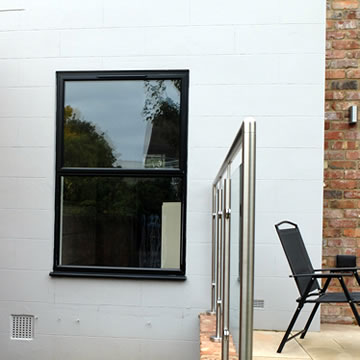 You might want to upgrade to ultra-modern aluminium windows or even triple glazing for the ultimate heat and sound insulation.
Get in touch with Albany Windows today and we can help advise on improving your windows or simply give advice on reducing your condensation.
Related to this topic:
5 signs it’s time to replace your front door
The perils of living alongside damp and mould
How to stop condensation on aluminium windows
Condensation in conservatories, doors, and around the house – what to do